phone number
(916)777-1616Fast Answers to Common Issues
Refrigerators & Freezers
Refrigerators & Freezers
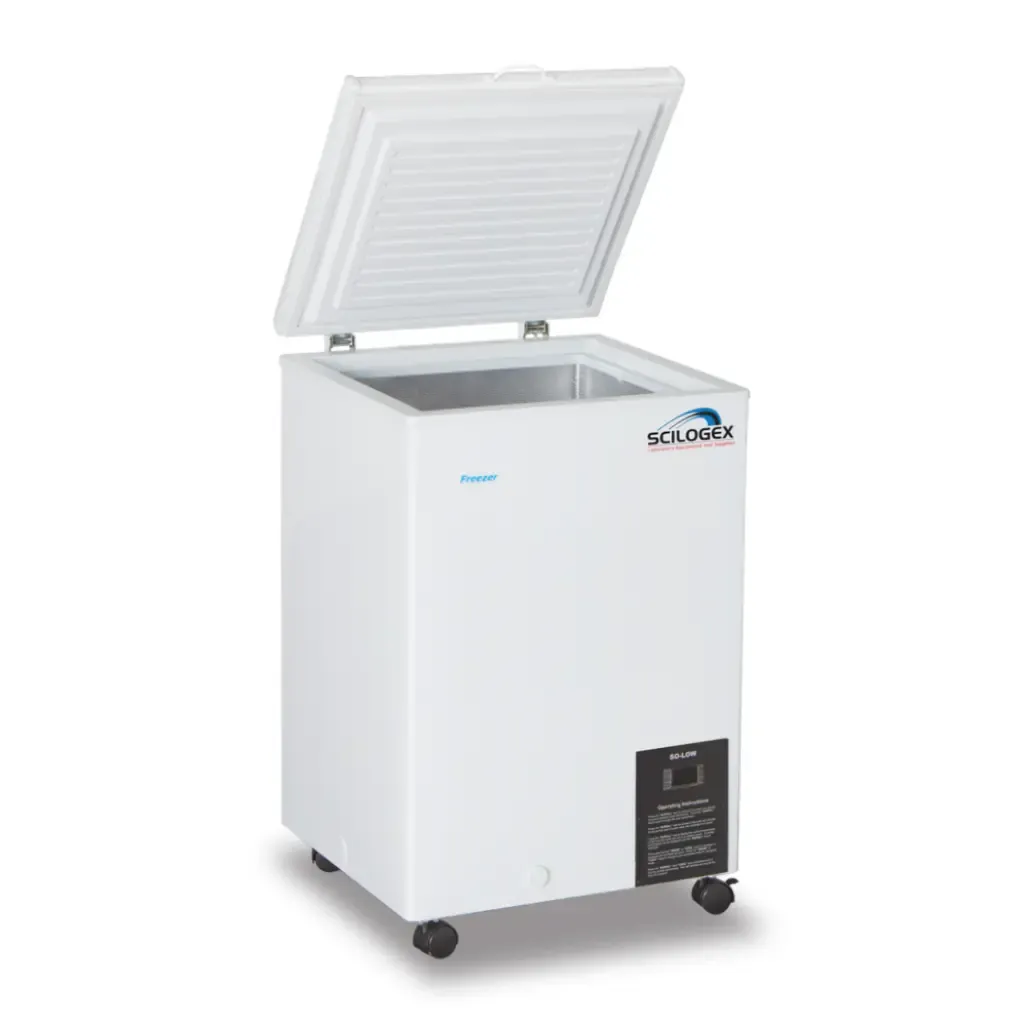 Why is it not cooling?It usually happens because the condenser coils underneath or behind the unit are covered in dust and cannot release heat. Another common reason is blocked air vents inside the freezer section, which stops cold air from circulating into the fridge. Lastly, if the rubber door seals are torn or brittle, cold air constantly escapes.
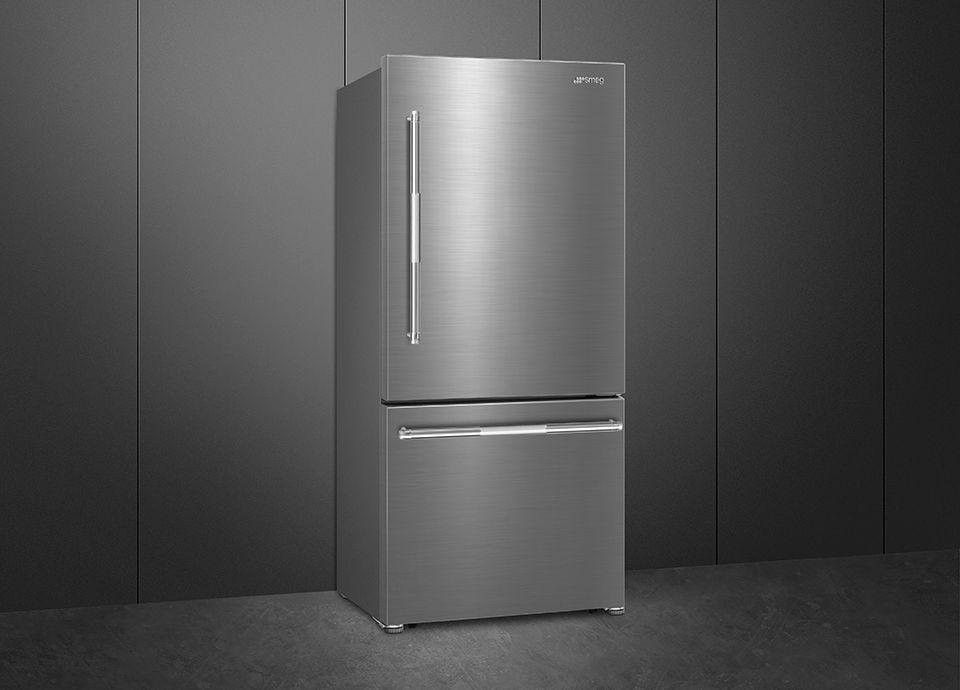 Why is it leaking water?Water pooling inside or on the floor is almost always caused by a clogged defrost drain line. When dust or food particles block this small drain, melted ice water overflows straight into your kitchen. It can also happen if the ice maker water line is cracked or loose.
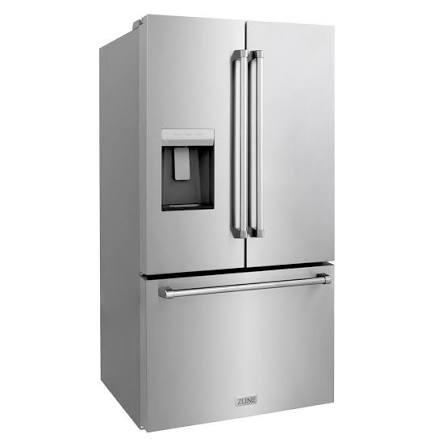 Why is ice building up inside?Heavy frost or ice buildup means warm, moist air is getting inside the appliance. This happens when the doors are left open too long or the door gaskets are warped. In some cases, a broken defrost heater or timer fails to melt the natural frost buildup automatically.
Washers & Dryers
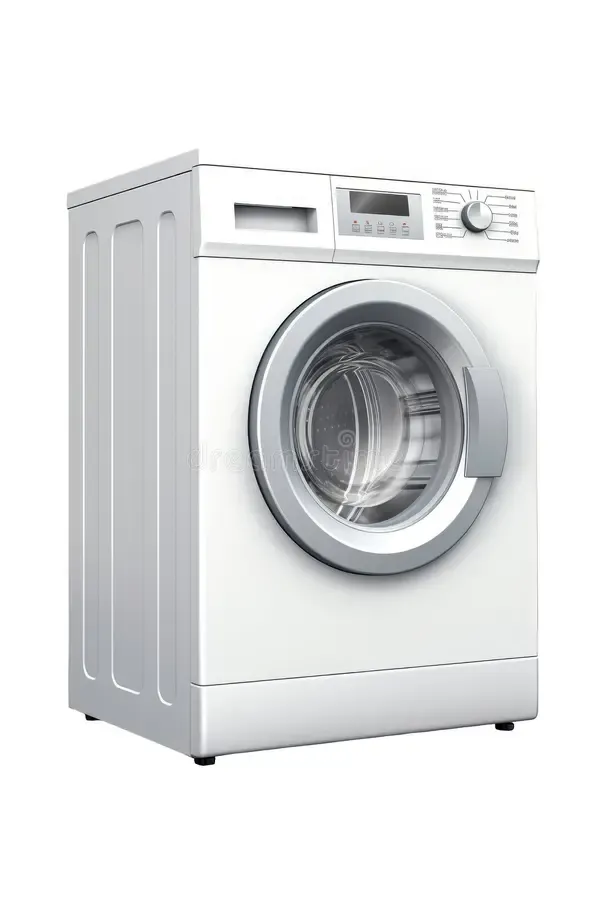 Why is the washer leaking?Most leaks come from worn-out water inlet hoses or loose connections at the back of the machine. If the leak happens only during the spin cycle, the culprit is usually a cracked drain pump or a torn door boot seal on front-load models. Using too much high-efficiency (HE) detergent can also cause oversudsing and overflow.
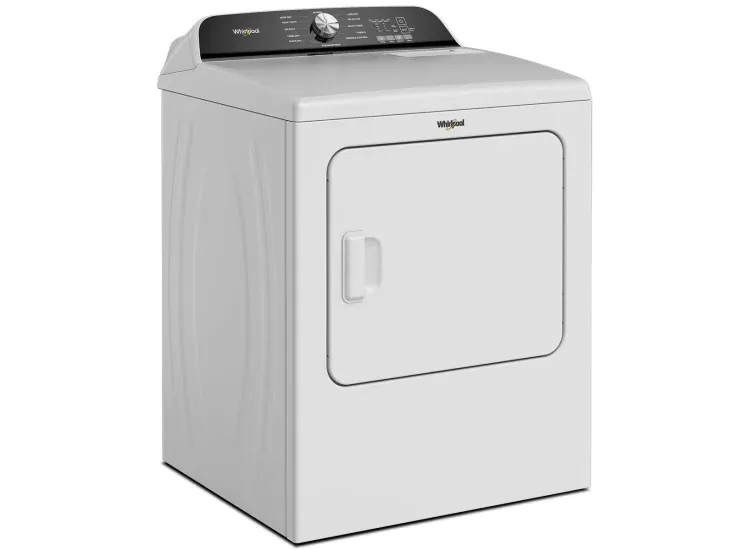 Why is the washer not spinning?If the motor hums but the basket does not spin, you likely have a broken drive belt, a failed lid switch, or a worn-out door latch mechanism. For safety reasons, washers will completely refuse to spin if they detect that the lid or door is not securely locked.
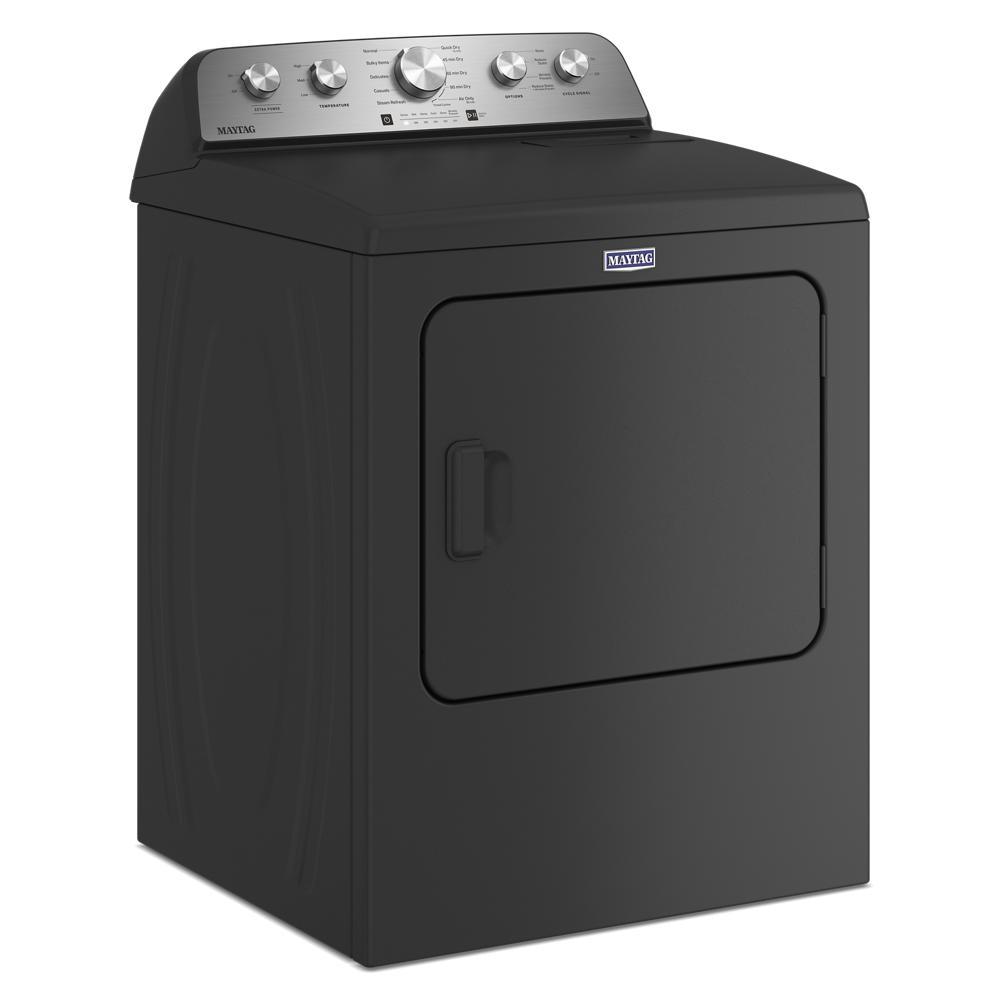 Why is the dryer running but not heating?When a dryer spins but stays completely cold, the internal thermal fuse has usually blown due to overheating. Other frequent causes include a burned-out heating element (on electric models) or a failed gas valve igniter (on gas models). Always check your home breaker box to make sure a switch hasn't tripped.
Stoves & Ovens
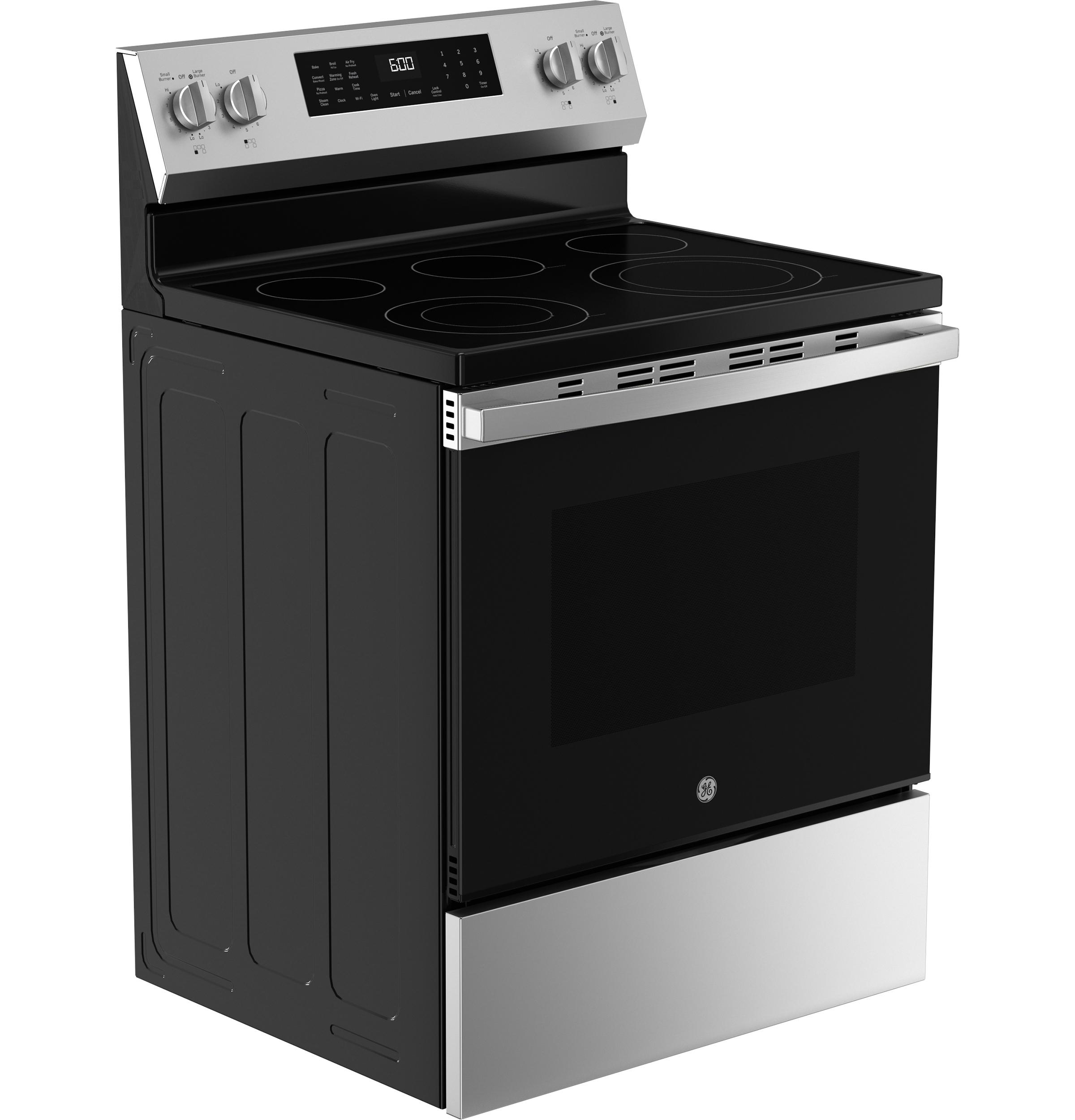 Why is the oven not heating to the right temperature?For electric ovens, look closely at the top and bottom heating elements; if they don't glow bright red or show visible blisters, they need replacement. For gas ovens, a weakened igniter might glow but fail to open the gas valve safety switch. A faulty temperature sensor can also misread the internal heat.
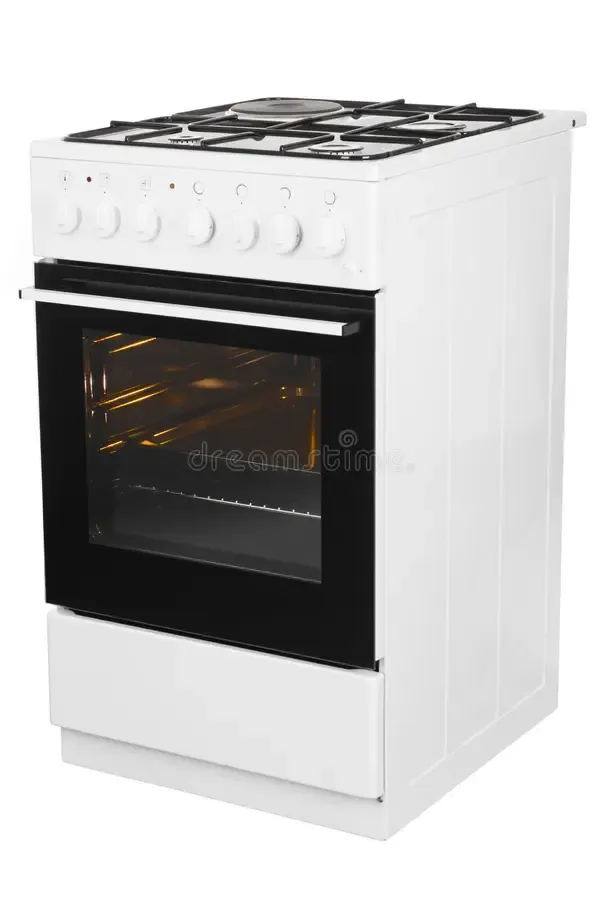 Why are the range burners not lighting?On gas stoves, spilled food grease or liquid often clogs the tiny igniter holes, blocking the gas flow. If you hear a clicking sound but see no flame, try cleaning the burner cap with a toothbrush. On electric stoves, loose surface element receptacles or burned-out coils are the main issues.
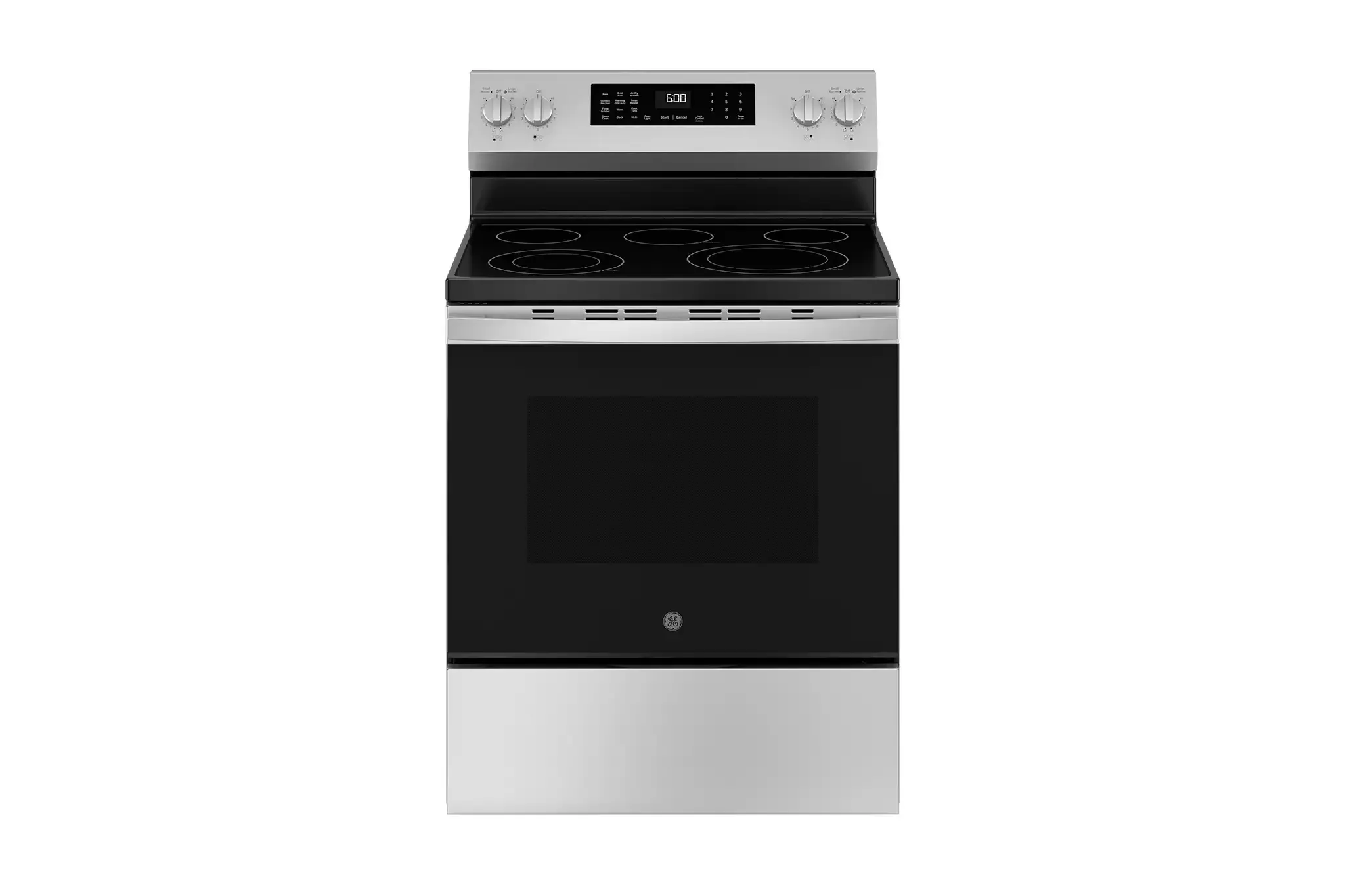 hy does my oven click repeatedly but won't light?This happens on gas stoves when moisture or food spills get trapped inside the spark igniter. It can also mean the igniter electrode is slightly misplaced or worn out. If the clicking continues even after cleaning and drying the burner components, the spark module or the switch harness likely needs a professional replacement.